
- Home
- About Us
- Products
- Environmental Monitoring Equipment
- Fumigation Monitoring Equipment
- Gas Detection
- Lab Equipment / Quality Control Instruments
- Breath Alcohol Analyzer
- Portable Particle Counters
- Microbail Air Sampler
- Process instruments
- Portable Gas Monitors
- Flue Gas Analysis
- Gas Monitors
- Water Activity Meter
- Dew Point & Moisture
- Humidity & Temperature
- Data Loggers
- Oxygen
- Level Swithes
- Real Time Monitoring Solutions
- Headspace Oxygen Analyser
- Oxygen Purity Analyser
- Dust Monitors
- Ambient Air Quality Monitoring Stsyem
- Services
- Industries Served
- Partners
- Success Stories
- Careers
- Contact Us
Pressure Transmitter
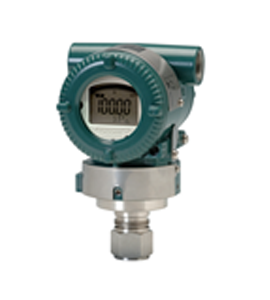
What Is a Pressure Transmitter?
- A pressure transmitter (also known as a pressure transducer) is an electromechanical device designed to measure pressure with high accuracy.
- It senses applied pressure and converts it into an electrical signal, allowing precise monitoring and control.
- Pressure transmitters are commonly used in industrial processes, HVAC systems, hydraulic systems, and more.
How Do They Work?
- A pressure transmitter typically consists of a pressure-sensitive surface area (often made of steel, Hastelloy C or Tantalum).
- When exposed to pressure (from a liquid or gas), the surface area deforms slightly.
- This deformation generates an electrical signal (usually a voltage) proportional to the applied pressure.
Applications:
- Industrial Processes:Monitoring pressure in pipelines, tanks, and vessels.
- HVAC Systems:Controlling air pressure in ventilation and air conditioning.
- Hydraulic Systems:Ensuring safe operation of machinery.
- Oil & Gas Industry:Measuring wellhead pressure, pipeline pressure, etc.
Benefits:
- Accuracy: Pressure transmitters provide precise measurements.
- Versatility: They work with various fluids and gases.
- Real-Time Monitoring: Enables timely responses to pressure changes.
- Robust Design: Suitable for harsh environments.